
Chromatic Hedonism
Architecture has spent decades pursuing functional perfection. We have optimized spaces, simplified circulation, and refined materials to achieve extraordinary levels of precision. Yet, in the process, we have often forgotten something essential: the ability to evoke emotion.
For far too long, we have understood the home as an object. A collection of rooms organized to satisfy practical needs. A real estate product defined by its square meters, finishes, or location. But people have never remembered spaces for those reasons. We remember the places that made us feel something. Places that became part of our personal story. Places that transcend function and become experiences.
Cyberpink was born from this reflection.
Not as a house.
Not as an interior design project.
Not even as an architectural exercise.
Cyberpink emerged as an exploration of a new way of living. A proposal that understands space as a medium capable of transmitting identity, culture, and emotion. A place where architecture, fashion, music, art, and design cease to operate as independent disciplines and merge into a single narrative.
From the very beginning, one idea was clear. We did not want to design a house. We wanted to build an atmosphere. A universe of its own. An experience capable of generating the same level of connection as a film, a fashion collection, or a music album.
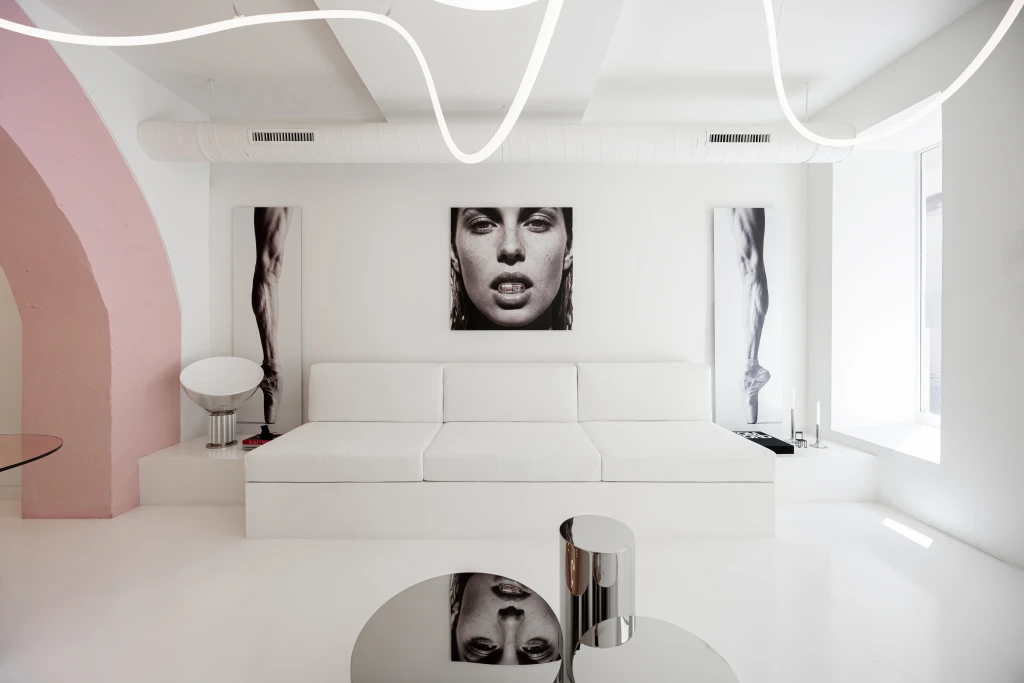
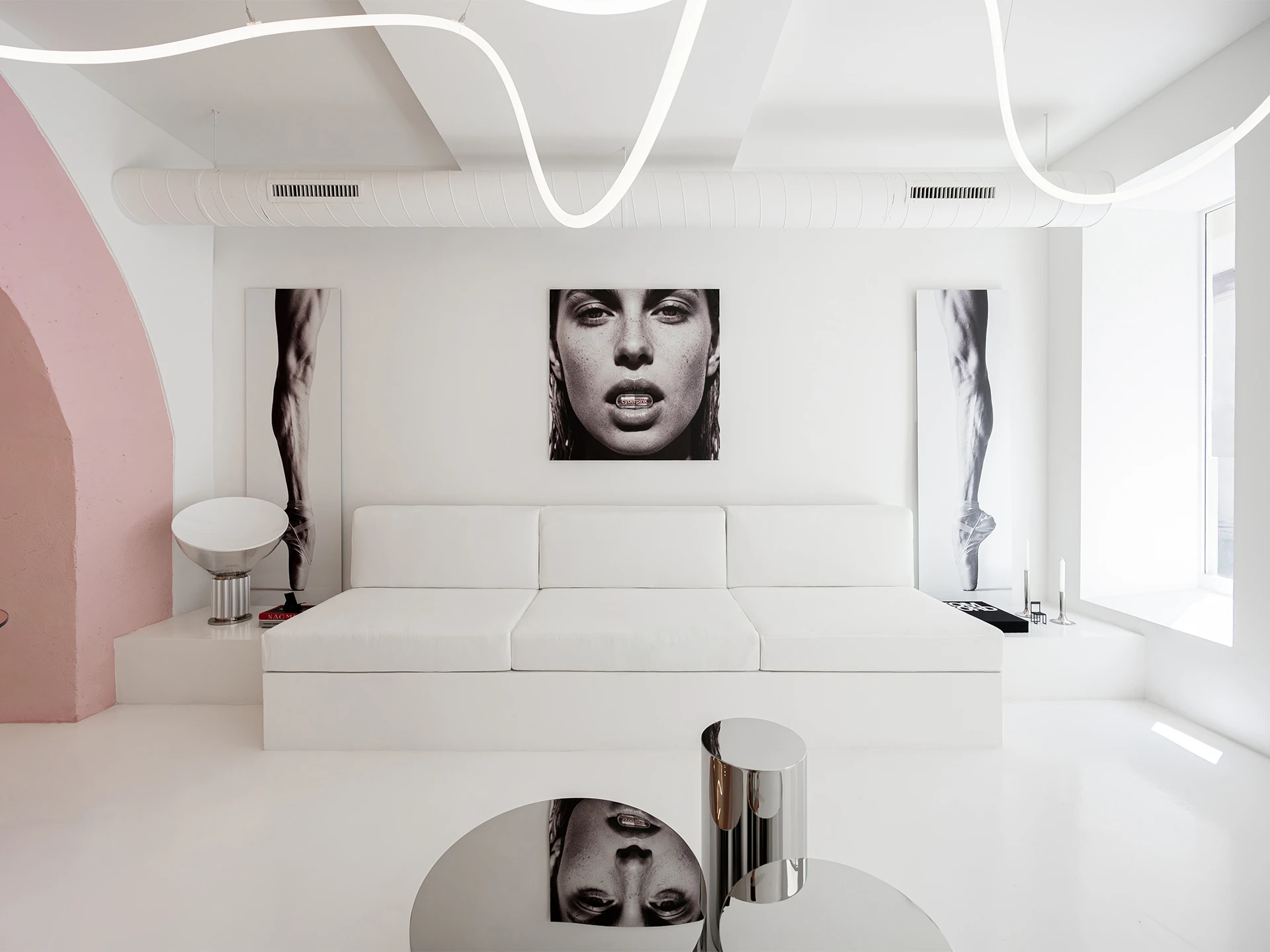
The inspiration came from a seemingly simple image: a ballerina suspended on the tips of her toes. The tension in her muscles, the precision of every movement, and the apparent lightness of a position that demands years of sacrifice embodied exactly what we were searching for. Beauty not as an immediate result, but as the consequence of extreme discipline.
That image became the starting point of Cyberpink. Not because of its relationship with dance, but because of everything it represented: balance, control, elegance, determination, and the ability to conceal effort behind an appearance of absolute naturalness. The very same principles we pursue in every design decision.
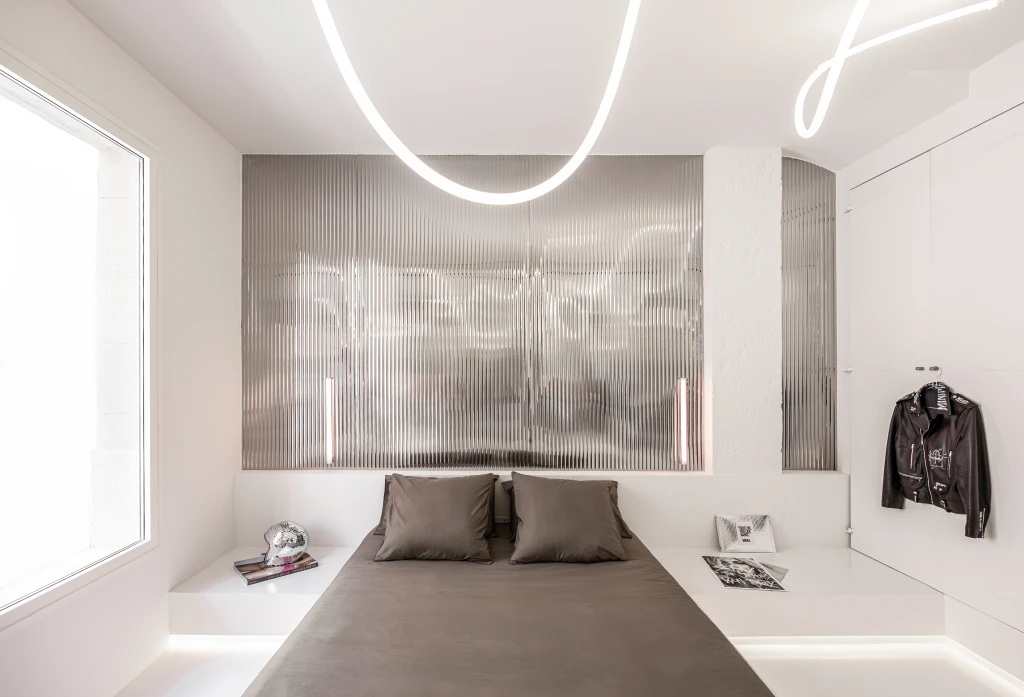
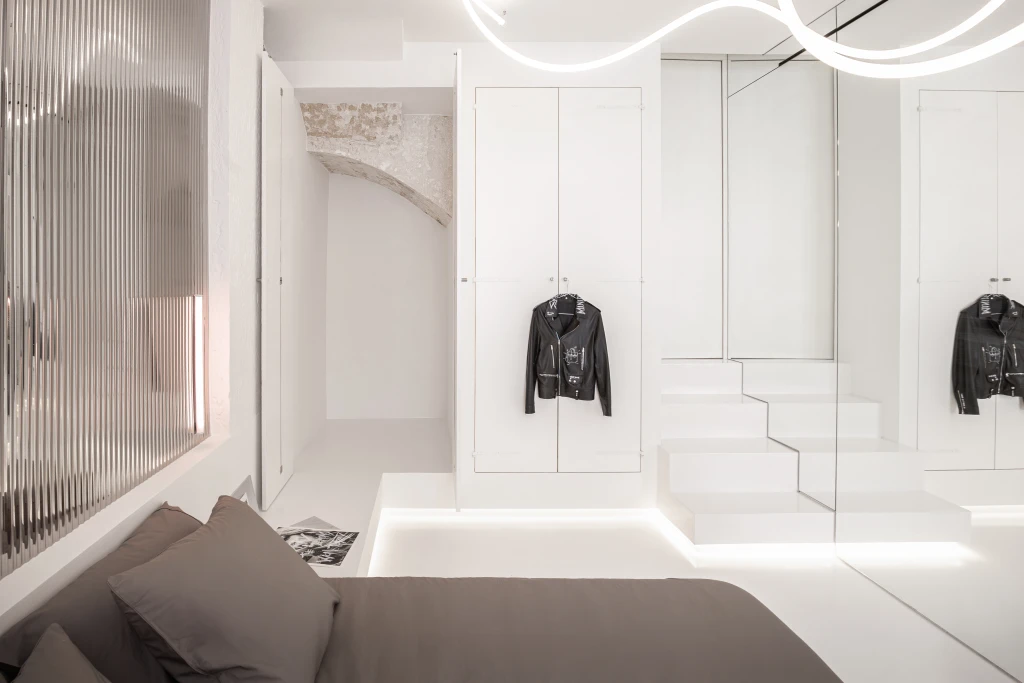
Yet the project could not remain solely within the realm of delicacy. Absolute perfection often feels cold. It needed a second voice. A counterpoint capable of introducing emotion, character, and imperfection. This is where music, rock culture, worn album covers, records collected over years, and all those cultural references that form part of our personal memory enter the narrative.
Cyberpink is built precisely at the intersection of two seemingly incompatible worlds: the discipline of ballet and the unpredictable energy of rock and roll.
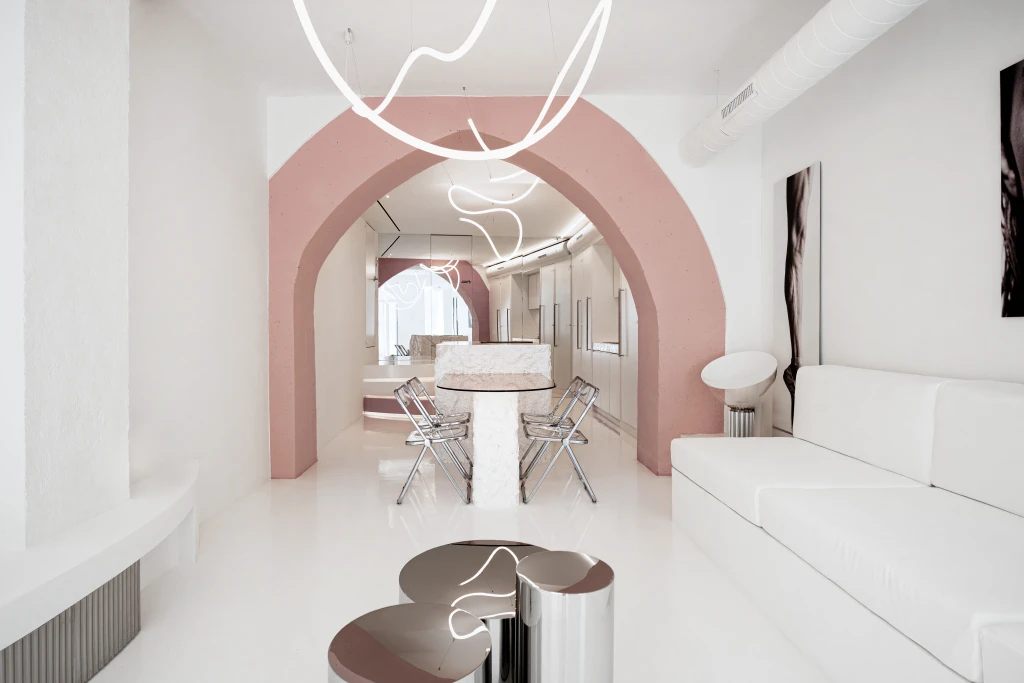
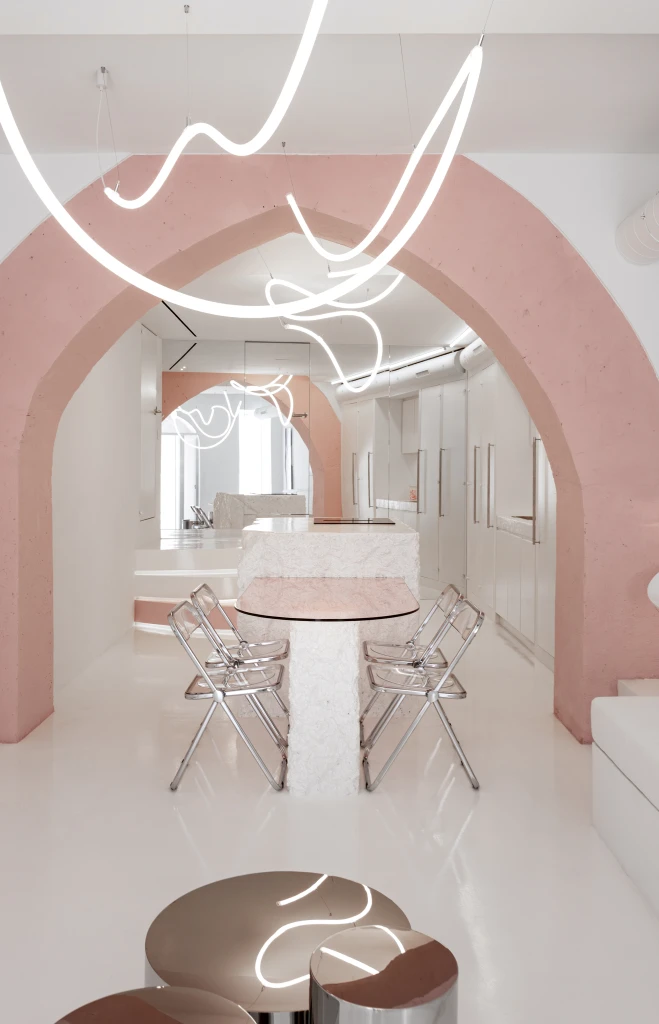
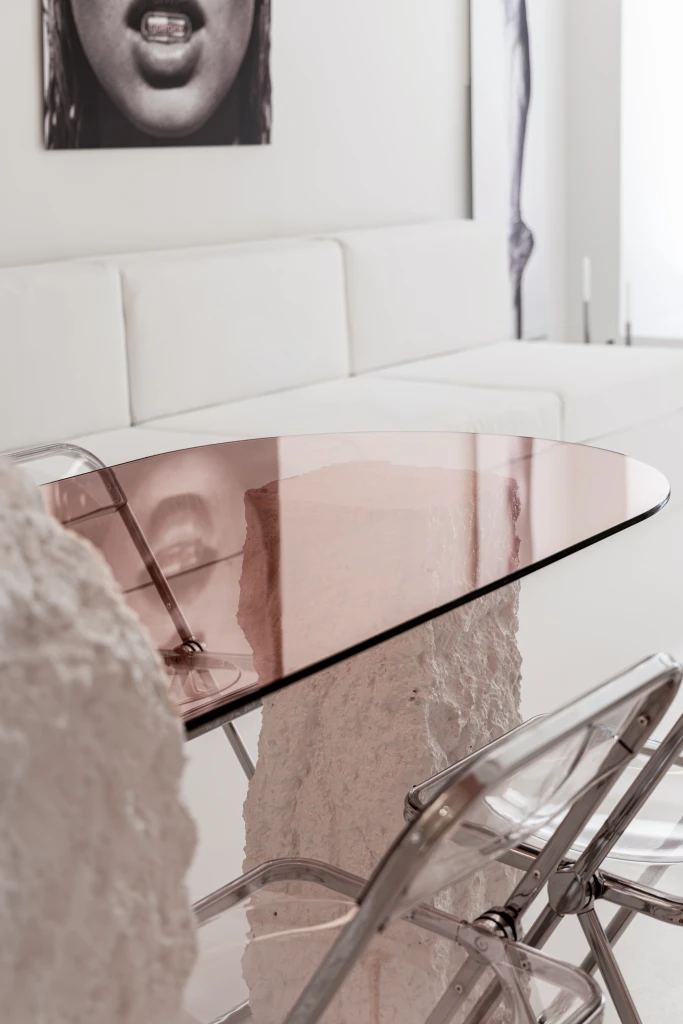
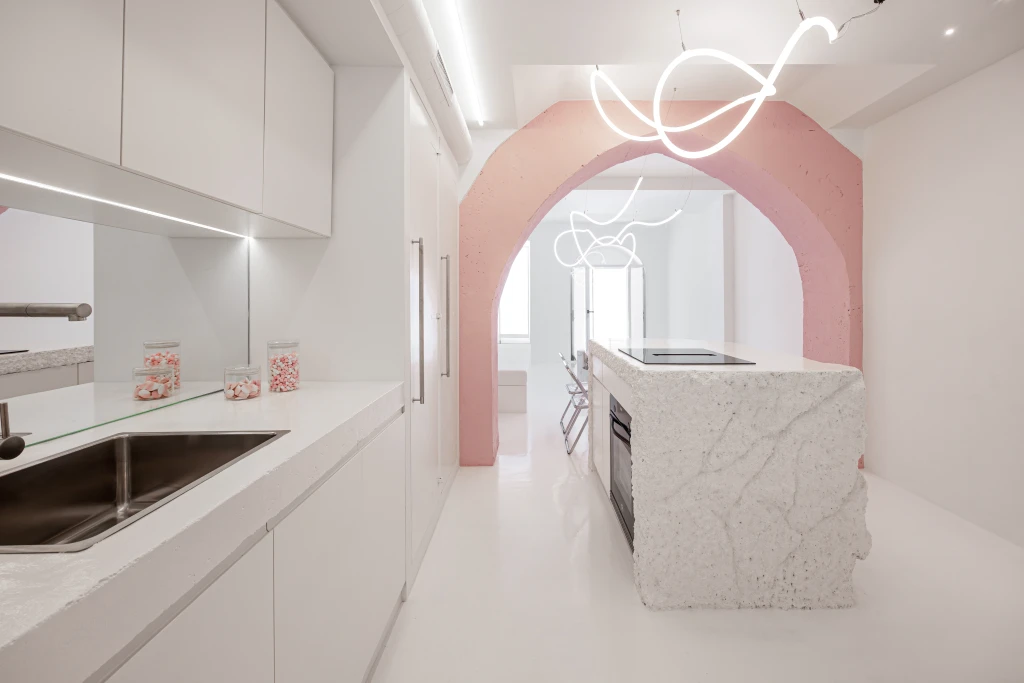
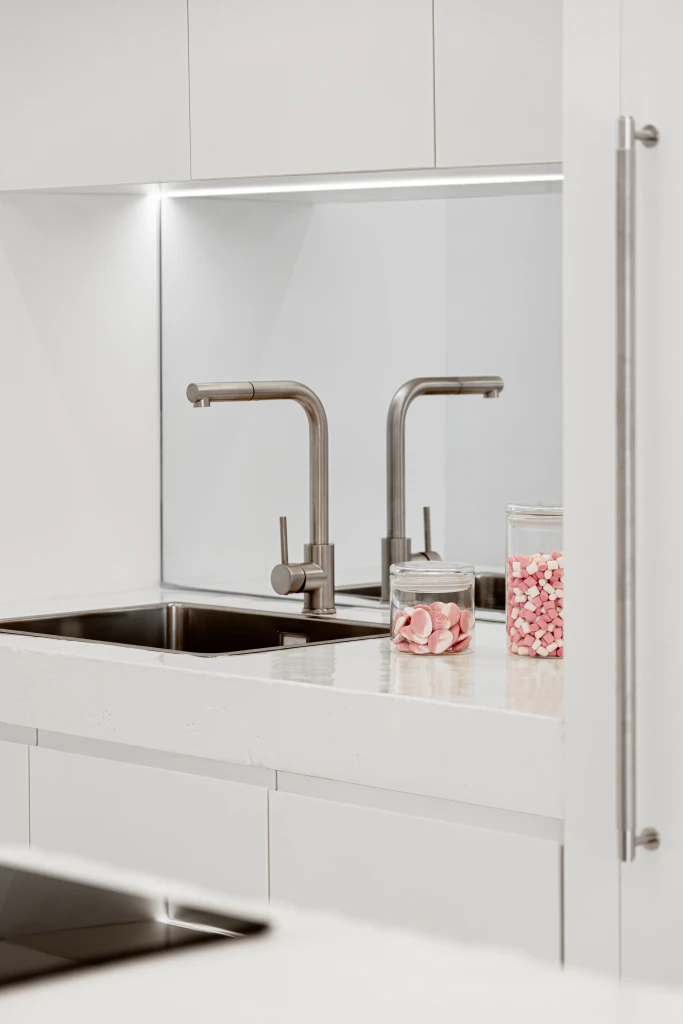
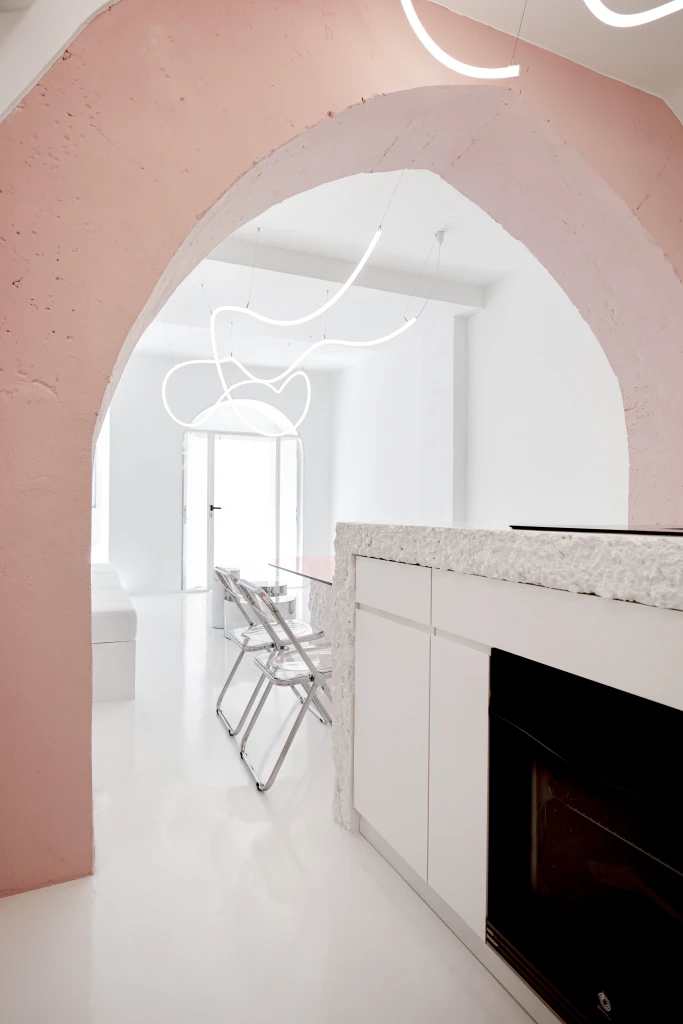
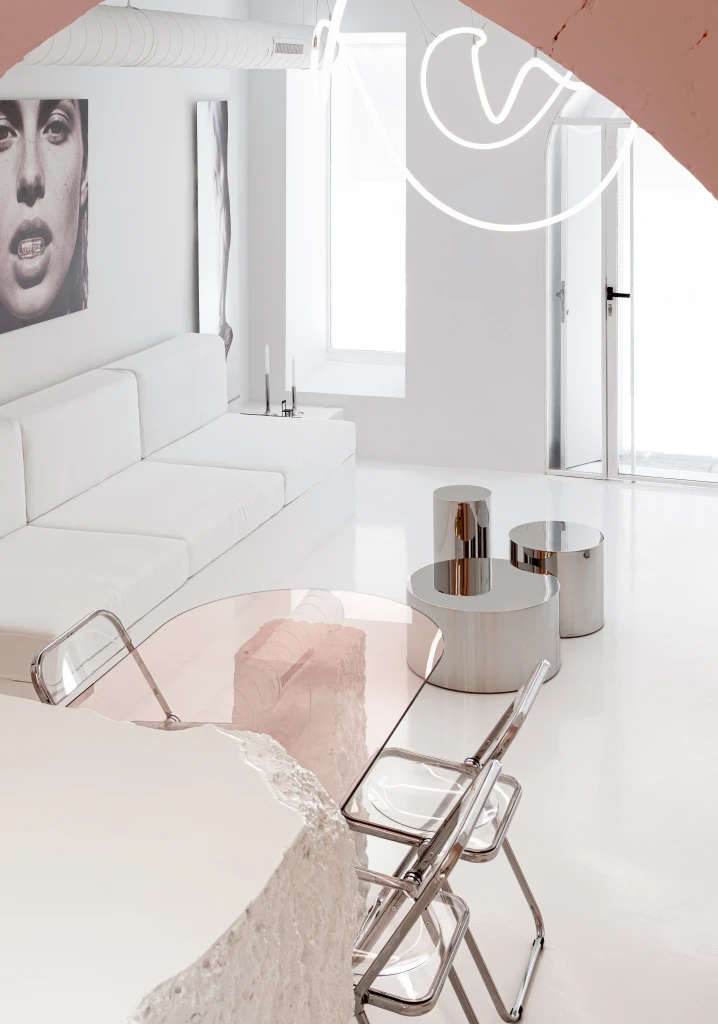
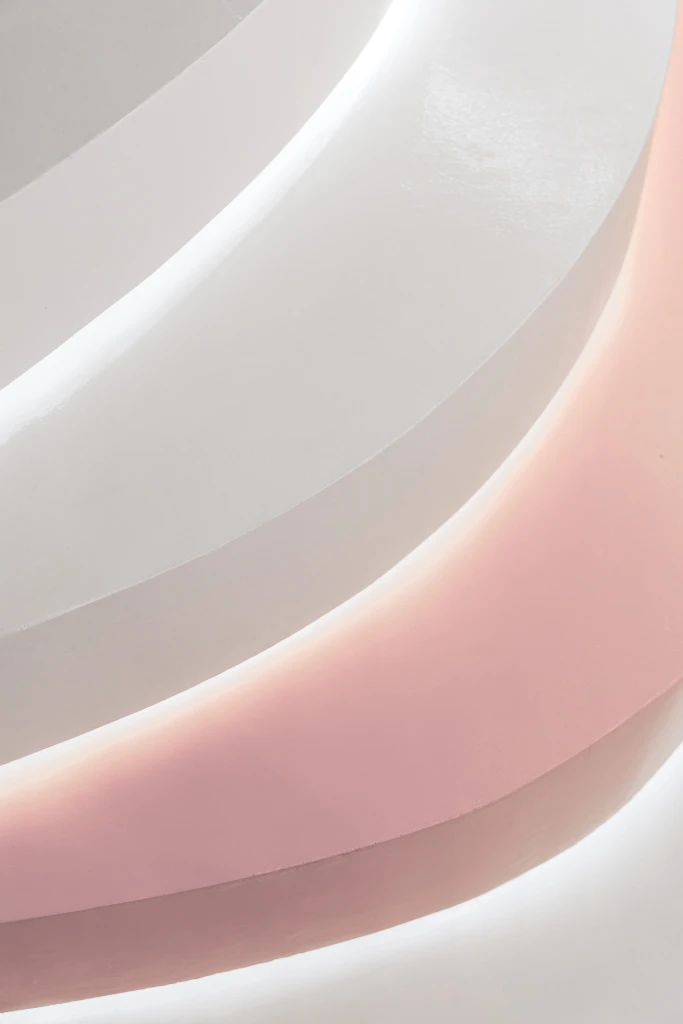
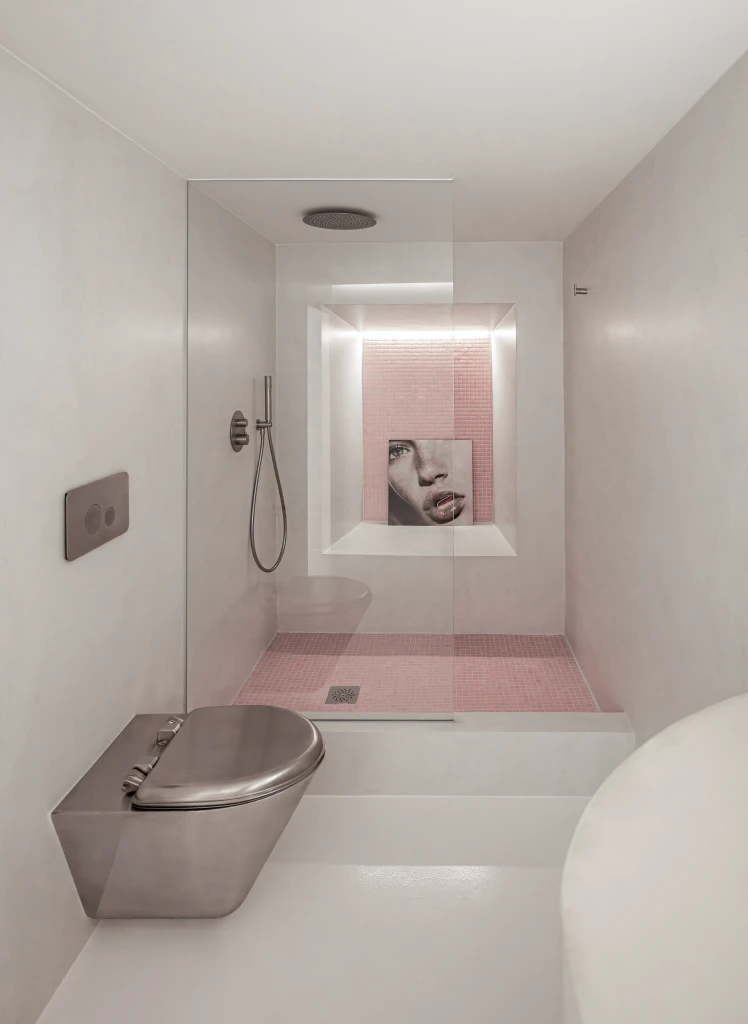
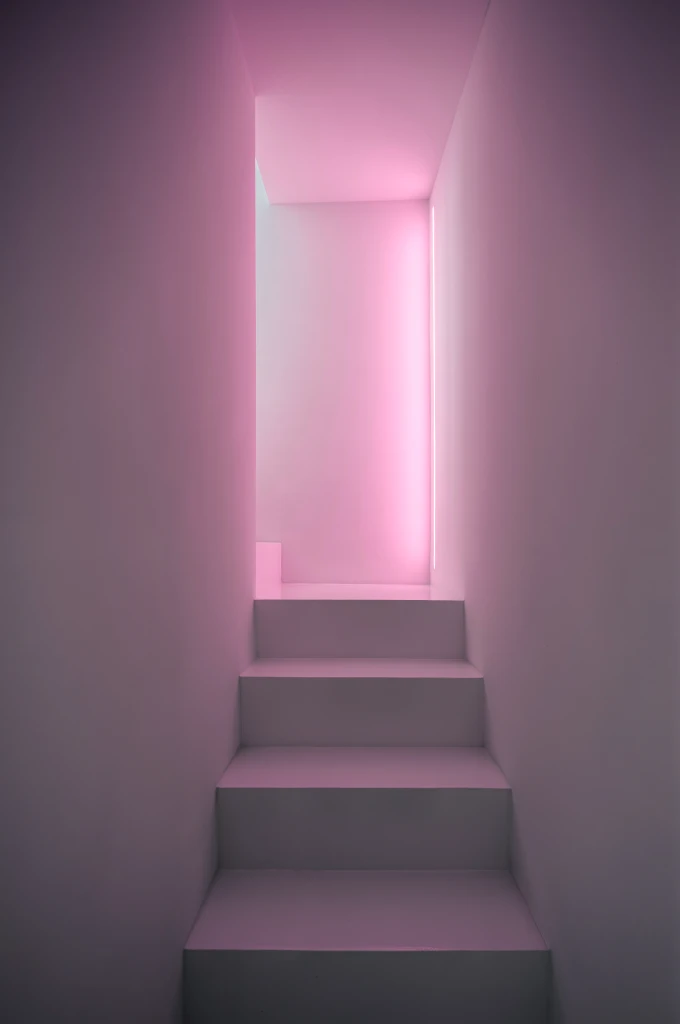
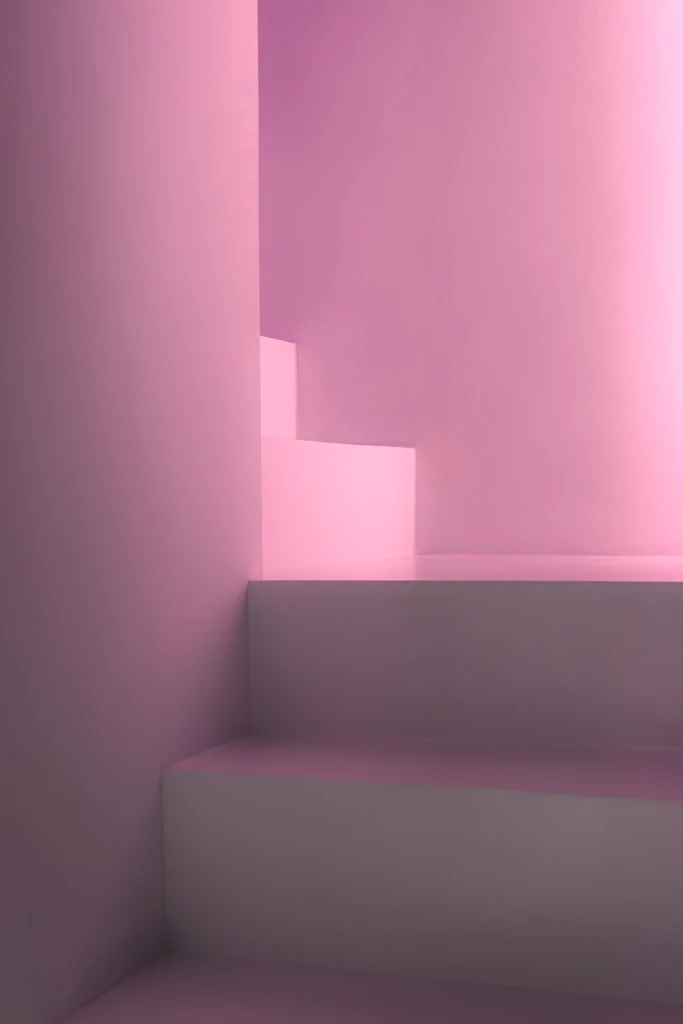
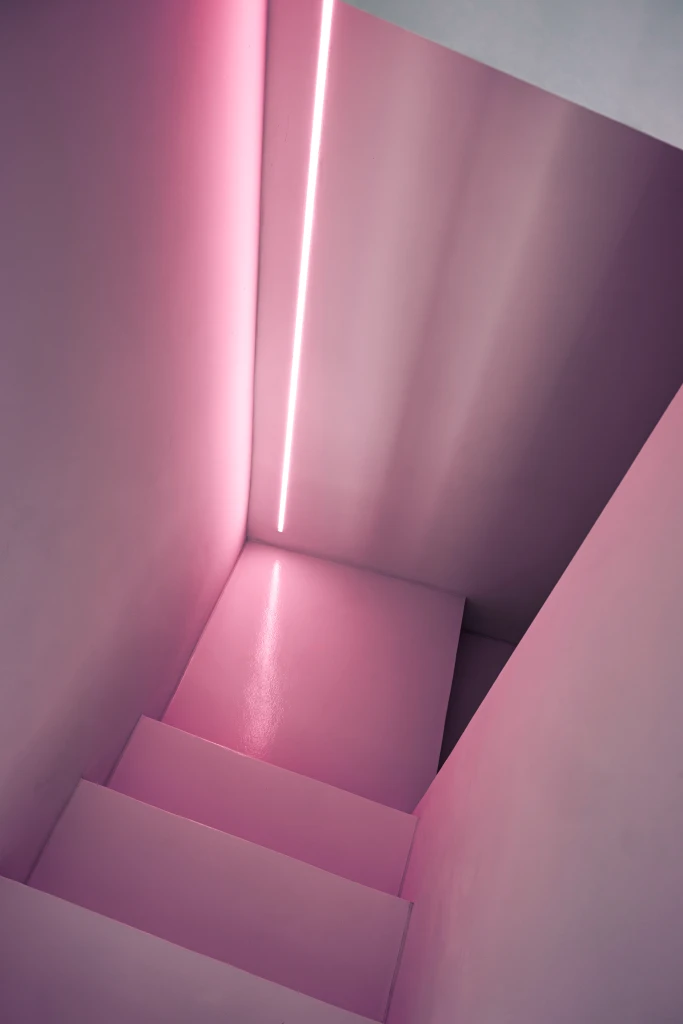
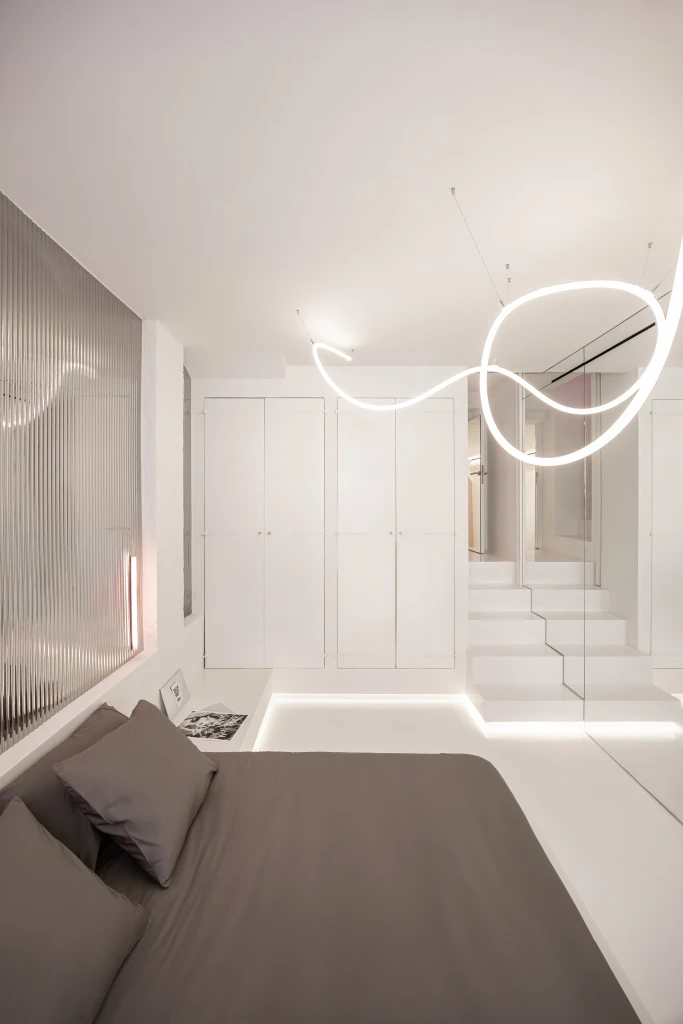
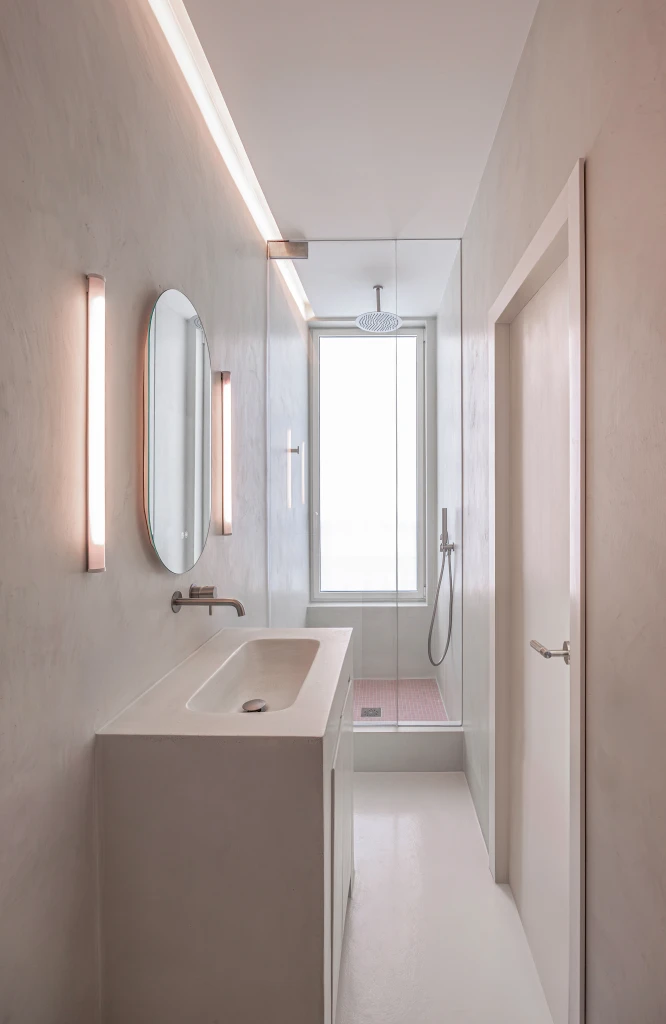
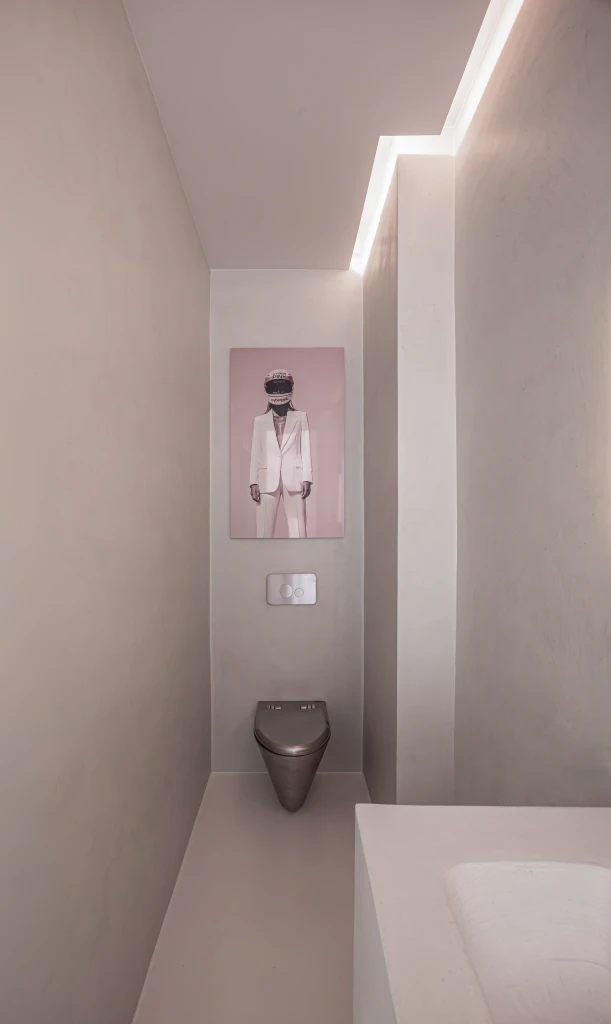
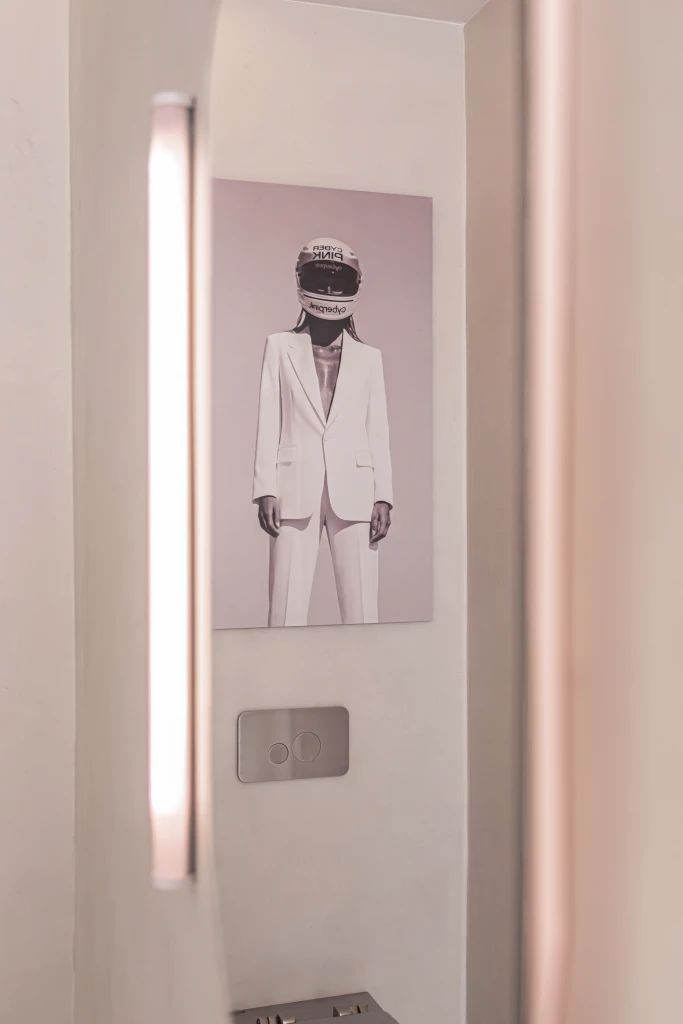
The color pink emerged as a natural consequence of that tension. For a long time, it was considered fragile, decorative, or even superficial. Here, it takes on an entirely different meaning. It becomes an emotional tool. A statement. A language of its own. This is not a romantic or nostalgic pink. It is an artificial, technological, and contemporary pink. A color that seems to come more from a screen than from nature. A color capable of transforming the perception of space and turning atmosphere into a sensory experience.
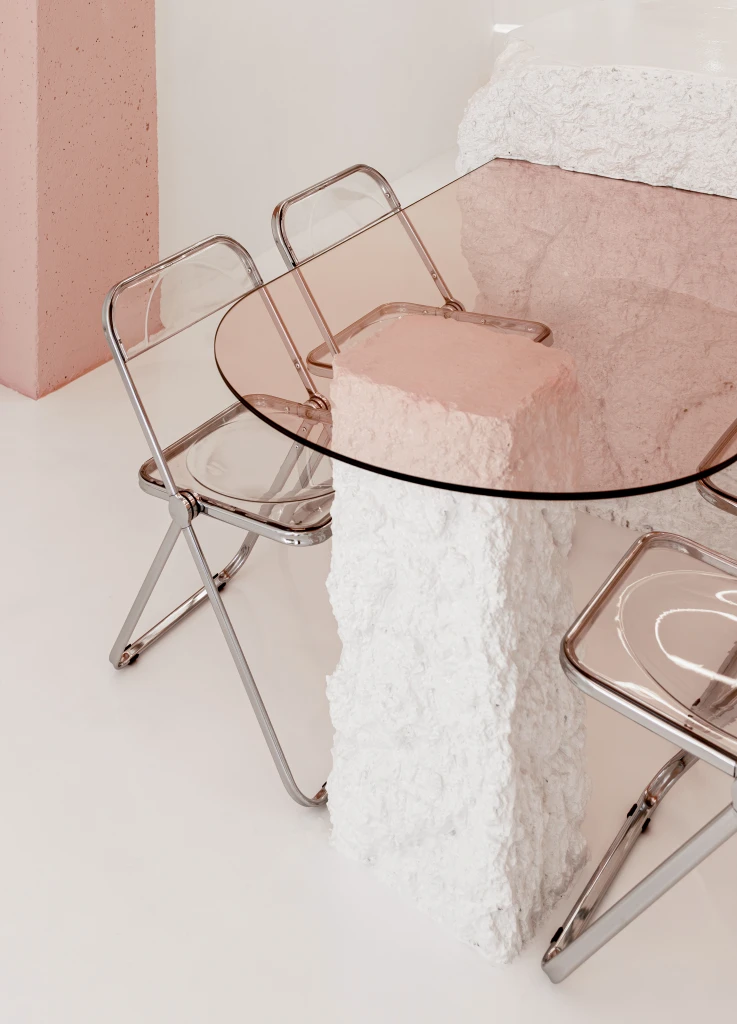
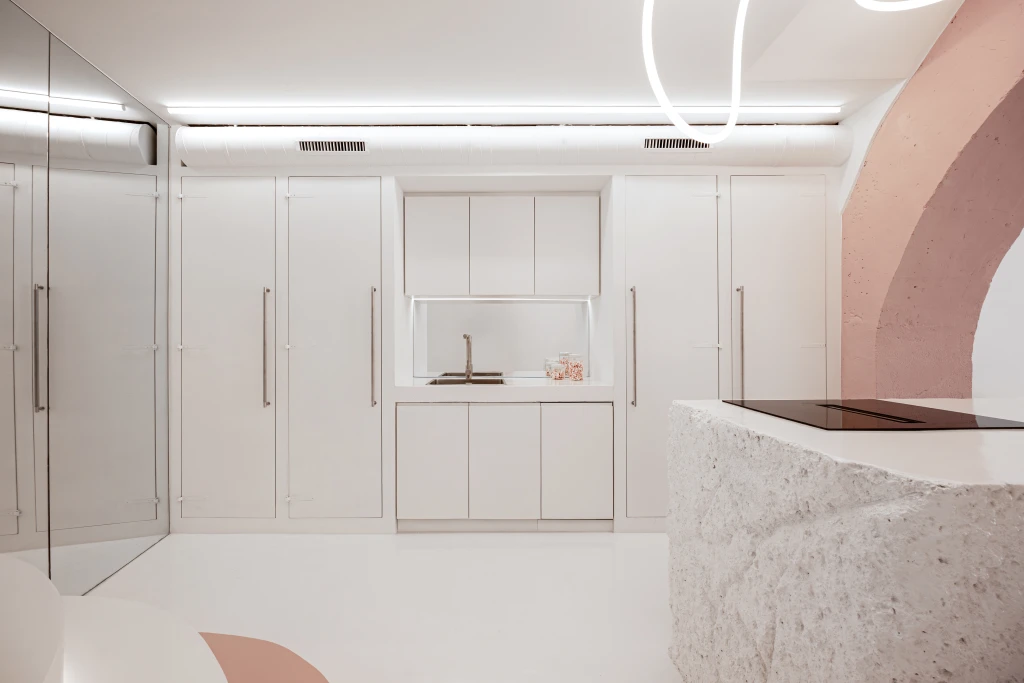
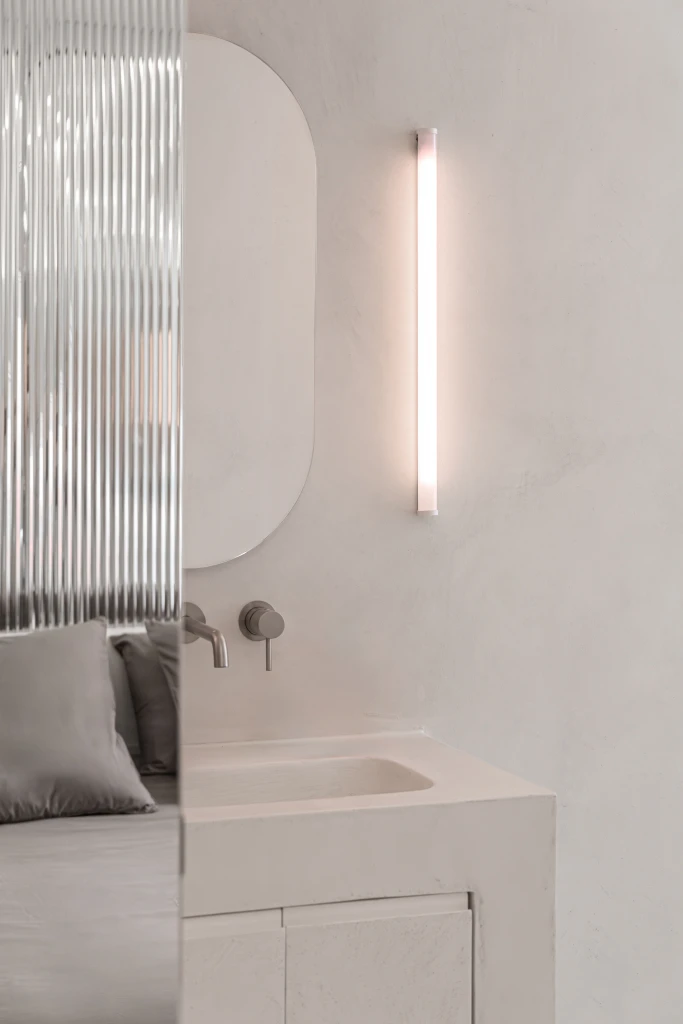
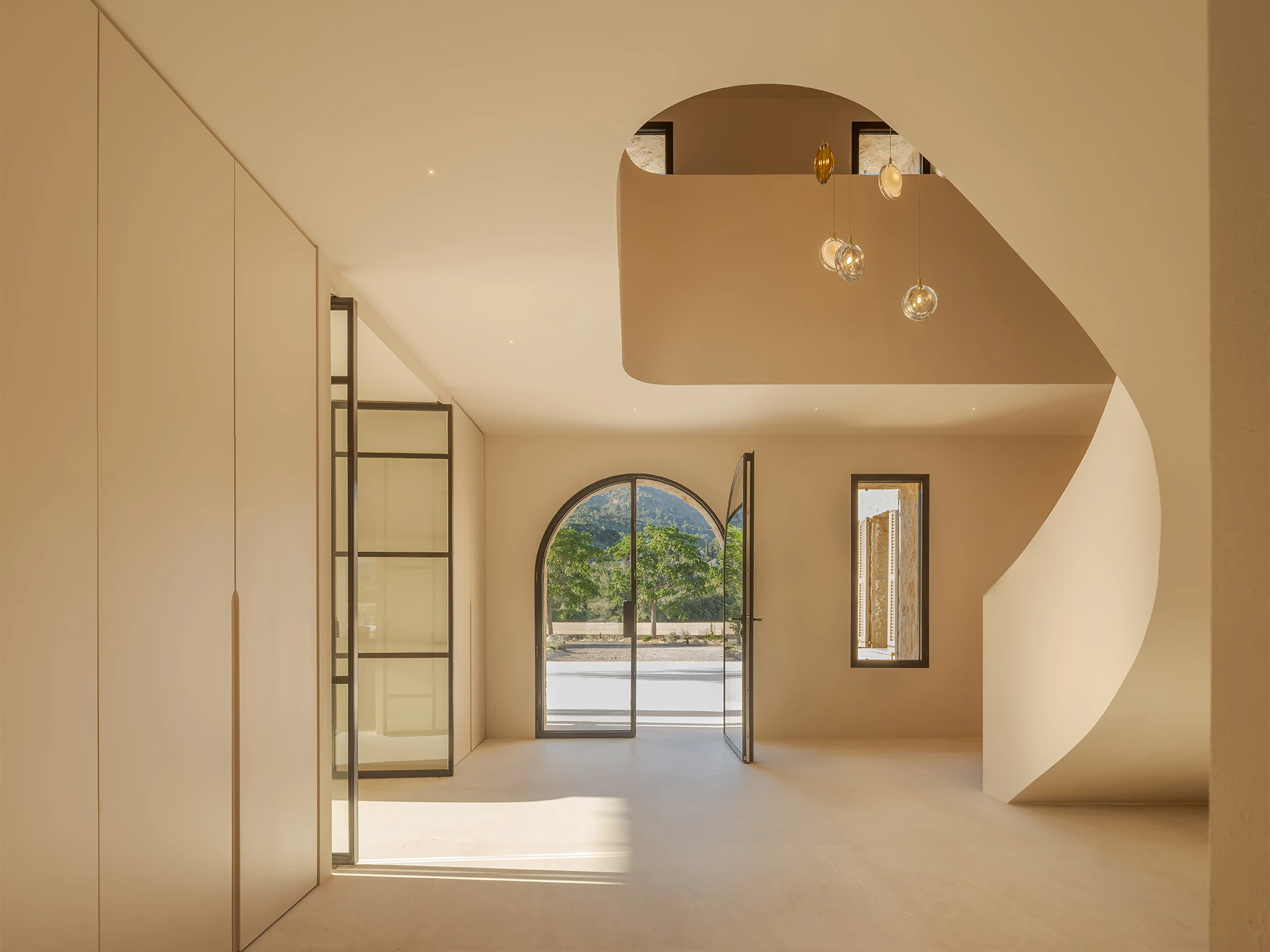
As the project evolved, architecture began to disappear in order to make room for experience. Elements were reduced to their essence. Forms became softer. Boundaries dissolved. Lighting abandoned its purely technical role and transformed into a line suspended in space, as if someone had drawn directly onto the air. Materials stopped competing with one another and started working together as a single composition.
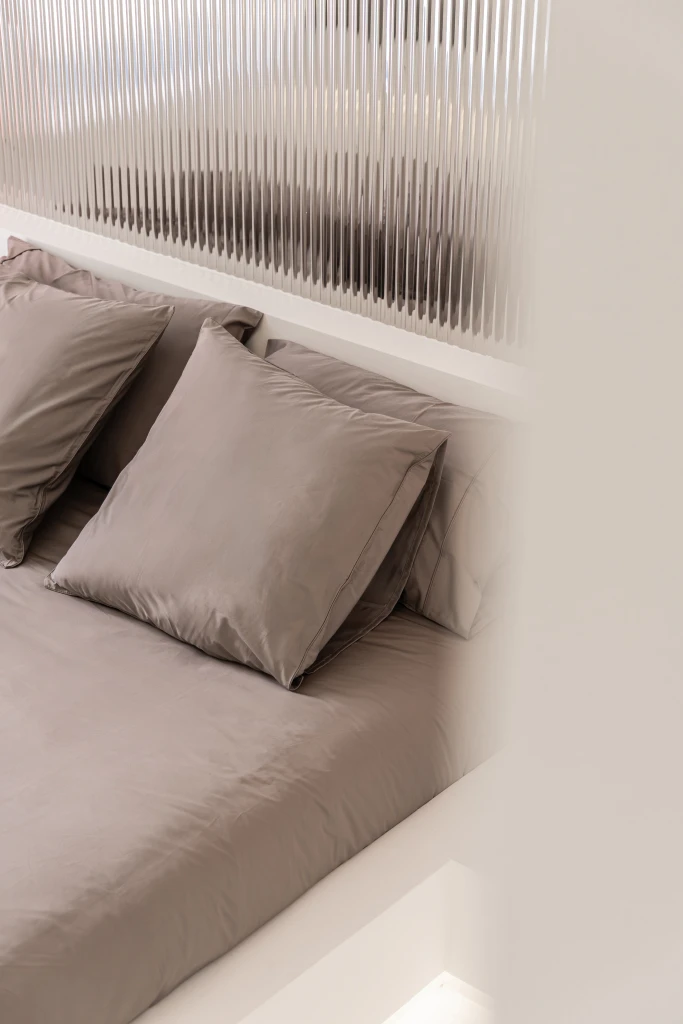
Nothing within Cyberpink seeks to become the protagonist. Not the furniture. Not the lighting. Not the objects. Not even the architecture itself. Every element exists solely because it contributes to a shared atmosphere. A sensation that is difficult to describe in words, yet instantly recognizable when experienced.
Perhaps this is why Cyberpink represents something more significant than a singular project.
It represents the beginning of a new direction for Minimal Studio.
A direction in which homes are no longer conceived as real estate products, but as complete cultural experiences. Places capable of expressing an identity as distinctive as a fashion house. Spaces capable of creating a sense of belonging. Universes designed to be lived in.
We believe that the future of design is not simply about creating beautiful spaces.
It is about creating worlds.
Worlds capable of inspiring, moving, and remaining in memory long after one has left them behind.
Because true luxury is no longer defined by owning more space.
It is defined by living inside a story.
Cyberpink is the first of those stories.
It is not a house.
It is a built identity.
Project management and Design: J. David M. Jofre
Copyright Photography: Caliu Estudi